Is upgrading from a free VPN to a paid one worth it?
Here's the short answer: yes, in most cases the upgrade is absolutely worth it — even if you go with the cheapest paid VPN option out there. Free VPNs aren't evil, but they have some pretty serious limitations that tend to catch people off guard. A decent paid VPN can cost as little as $2–$4 a month, which honestly isn't much when you think about what you're getting in return.
That said, "worth it" is personal. If you only use a VPN once in a blue moon to check something on public WiFi, a free tier might be totally fine. But if you're relying on it for privacy, streaming, or anything remotely serious, you're going to hit walls with a free plan pretty quickly. Let me break this down properly so you can make the call for yourself.
⭐ S-Tier VPN: ProtonVPN
S-Tier rated. Swiss-based, open-source, independently audited. No-logs policy verified in court. Secure Core servers for maximum privacy.
Get ProtonVPN →What do you actually get with a free VPN?
Free VPNs vary a lot in quality, and that's kind of the problem. Some are genuinely decent — ProtonVPN, for example, offers a free tier that's legitimately trustworthy. It doesn't log your data, it doesn't sell your browsing history, and it's built by a company with a real reputation to protect. That's not something you can say about most free VPNs.
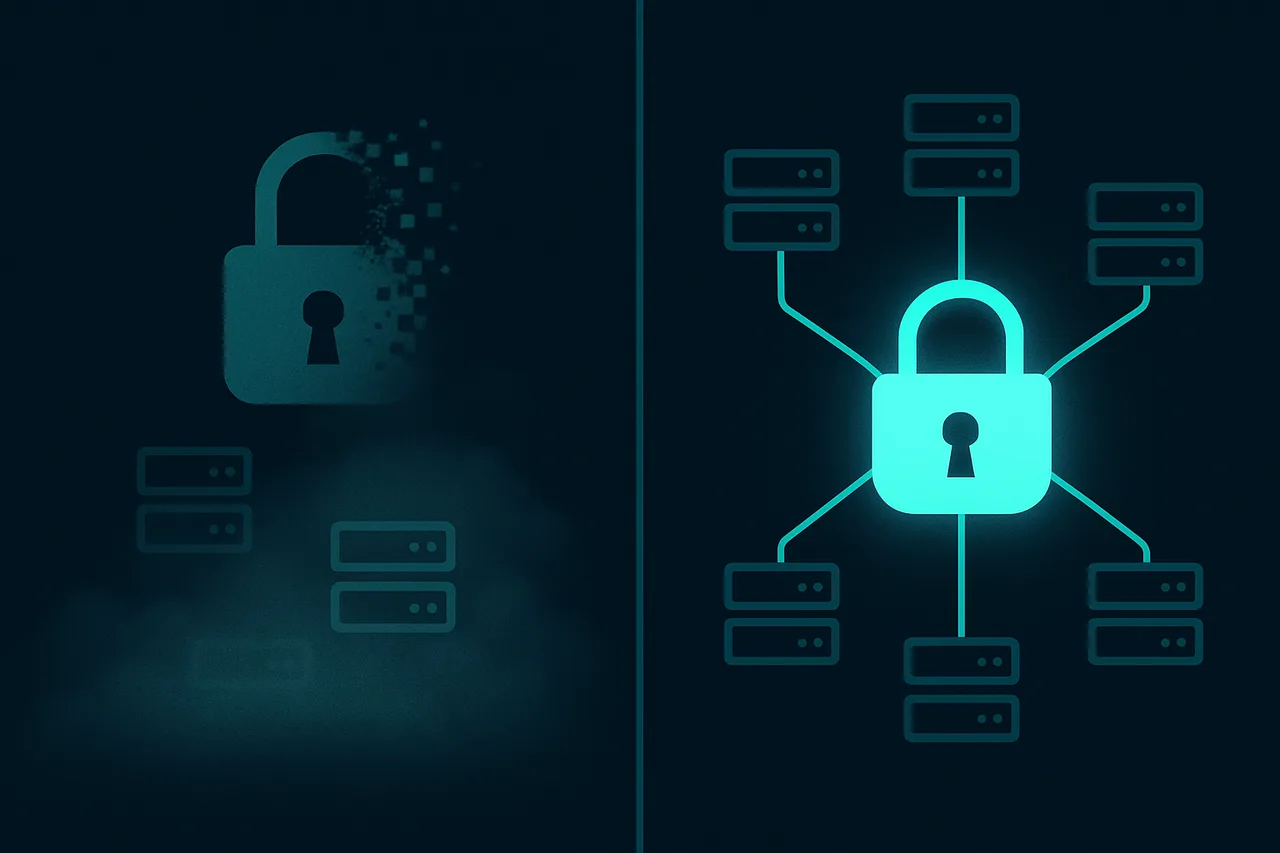
The catch with even the best free VPN options is that they're deliberately limited. You'll typically get access to only a handful of server locations — sometimes just one or two countries. Your speeds will be slower because free users share bandwidth with paying customers. And in many cases, there's a data cap that kicks in after a few hundred megabytes or a few gigabytes per month. That's fine for checking emails but not great for streaming or working remotely.
Now here's where things get a bit darker. A lot of free VPNs — not the reputable ones, but the random ones you find on app stores — actually make money by selling your data. Think about that for a second. You downloaded a VPN to protect your privacy, and the app is quietly harvesting your browsing data and selling it to advertisers. It sounds almost too ironic, but it happens all the time. VPNTierLists.com has documented some genuinely alarming cases of this. Some free VPNs have even been caught injecting ads into web pages or sharing data with third parties in sketchy ways.
So when people ask me about free VPNs, I always say the same thing: if you're going free, stick to a provider that has a paid tier and a real business model. ProtonVPN's free plan is the gold standard here. They can afford to offer a free tier because their paid subscribers fund the operation — not your data.
What does the cheapest paid VPN actually offer?
This is where things get interesting. The gap between a free plan and the cheapest paid plan is honestly pretty dramatic. When you pay — even just a couple of dollars a month — you typically unlock unlimited data, access to servers in dozens or even hundreds of countries, faster speeds, and features like a kill switch, split tunneling, and support for Streaming Services.
Unlimited data is probably the biggest practical difference. With a free plan, you're always watching the meter. With a paid plan, you just... use it. No counting, no throttling, no running out mid-download. That alone changes how you interact with the VPN day to day.
Server variety matters more than people realize too. Say you want to access content from another country, or you just want a server that's geographically close to you for better speeds. With a free plan, you might have two or three options. With a paid plan, you're picking from hundreds. That flexibility makes a real difference in both speed and usability.
There's also the privacy angle. Paid VPN providers have a clearer incentive to protect your data — their business literally depends on it. Many of the reputable ones, like ProtonVPN, have had their no-logs policies independently audited and even verified in real court cases. That's a level of trust you just can't get from most free options.
I think the thing people underestimate is how cheap the cheapest paid VPN actually is. We're talking about the price of a candy bar per month in some cases. When you frame it that way, the upgrade question becomes a lot easier to answer.
How to decide if the upgrade is worth it for you
Let's be practical about this. Here are the situations where sticking with a free VPN makes sense. If you only use a VPN occasionally — like a few times a month on public WiFi — and you're not doing anything data-heavy, a free plan from a trustworthy provider is probably fine. You're not hitting data caps, you're not trying to stream 4K video, and you just want basic encryption on an open network. That's a totally valid use case for a free tier.
But if any of the following apply to you, I'd strongly suggest making the upgrade. If you use a VPN daily, a free plan is going to frustrate you constantly. If you want to use it for streaming — Netflix, Disney+, BBC iPlayer — free plans almost never work because streaming services actively block VPN servers, and free tiers don't have the resources to keep up with those blocks. If you're working remotely and need a reliable, fast connection, a free plan with throttled speeds and limited servers is going to make your life harder, not easier.
There's also the question of torrenting and P2P file sharing. Most free VPN plans explicitly prohibit this or block the traffic entirely. Paid plans typically support it, often with dedicated servers optimized for it.
Here's the thing — privacy is kind of an all-or-nothing deal. If you're using a VPN because you genuinely care about who can see your online activity, going with a questionable free provider defeats the entire purpose. You might as well not use one. The upgrade to a paid plan, especially from a provider with a verified no-logs policy, is where the real privacy protection starts.
🖥️ Recommended VPS: ScalaHosting
After testing multiple VPS providers for self-hosting, ScalaHosting's Self-Managed Cloud VPS consistently delivers the best experience. KVM virtualization means full Docker compatibility, included snapshots for easy backups, and unmetered bandwidth so you won't get surprise bills.
Build #1 plan ($29.95/mo) with 2 CPU cores, 4 GB RAM, and 50 GB SSD handles most self-hosted setups with room to spare.
[GET_SCALAHOSTING_VPS]Full root access • KVM virtualization • Free snapshots • Unmetered bandwidth
⚡ Open-Source Quick Deploy Projects
Looking for one-click self-hosting setups? Check out these projects that work great on a ScalaHosting VPS:
- OneShot Matrix — One-click Matrix/Stoat chat server deployment - replace Discord with a self-hosted alternative
- SelfHostHytale — One-click Hytale game server deployment for self-hosters
Frequently asked questions
Are there any genuinely good free VPNs? Yes, but not many. ProtonVPN's free tier is the one I'd recommend without hesitation. It's from a Swiss-based company with a strong privacy track record, open-source apps, and no data caps. The limitations are real — fewer servers, slower speeds — but the privacy protections are genuine. Most other free VPNs I'd approach with serious skepticism.
How much does the cheapest paid VPN cost? Prices vary, but you can typically find solid paid VPN plans starting around $2–$5 per month when you commit to a longer subscription. Some providers offer even lower introductory rates. ProtonVPN's paid plans start at a very reasonable price point and give you access to all their servers, faster speeds, and advanced features like Secure Core routing.
Will a paid VPN actually make me anonymous online? This is a common misconception worth clearing up. A VPN improves your privacy significantly — it hides your IP address and encrypts your traffic — but it doesn't make you completely anonymous. Your VPN provider can still technically see your activity, which is why the no-logs policy matters so much. A paid VPN from a trustworthy provider is a big step up in privacy, but it's not a magic invisibility cloak.
Is ProtonVPN's free plan a good starting point before upgrading? Honestly, yes. It's one of the few free VPN options I'd actually recommend. You can try it, get a feel for how VPNs work, and then decide if upgrading to their paid plan makes sense for your needs. It's a low-risk way to test the waters without committing any money upfront.
So should you upgrade?
If you're using a free VPN from a sketchy provider you found on the app store, upgrading isn't just worth it — it's kind of urgent. You might be paying for your "free" VPN with your data without even realizing it. That's a bad trade no matter how you look at it.
If you're using a reputable free tier like ProtonVPN's, the calculus is a bit different. You're already in good hands privacy-wise. The question then becomes whether the limitations — server access, speeds, features — are actually affecting your experience. For a lot of casual users, they might not be. But the moment you find yourself hitting those walls, the upgrade is a no-brainer.
The cheapest paid VPN plans are genuinely affordable in 2026. We're not talking about a significant financial commitment here. And the difference in experience — unlimited data, more servers, faster speeds, better streaming support, and stronger privacy guarantees — is substantial enough that most people who make the switch don't look back.
My honest take? Start with ProtonVPN's free tier if you want to test things out. See how you get on with it. If you find yourself wishing for more servers, faster speeds, or the ability to stream from other countries, that's your sign to upgrade. Their paid plan is competitively priced and you're getting one of the most privacy-respecting VPNs in the world — independently audited, no-logs policy verified in actual court proceedings, and based in Switzerland with strong legal privacy protections. That's a lot of value for a few dollars a month.
⭐ S-Tier VPN: ProtonVPN
S-Tier rated. Swiss-based, open-source, independently audited. No-logs policy verified in court. Secure Core servers for maximum privacy.
Get ProtonVPN →Bottom line: the upgrade from free to paid is worth it for most people, especially if you care about privacy, use a VPN regularly, or want to actually do things like stream content from other countries. Just make sure you're upgrading to something trustworthy — not just the cheapest option you can find without checking the fine print.
" } ```