Last month, I watched as millions of users in Texas suddenly lost access to major adult websites when the state's age verification law kicked in. Within hours, VPN downloads in the region spiked by over 1,200%, according to app store analytics.
Yes, VPNs can Bypass Age Verification laws by masking your location and making it appear you're browsing from a different state or country. However, the legal and practical implications are more complex than simply changing your virtual location.
The rapid spread of age verification requirements
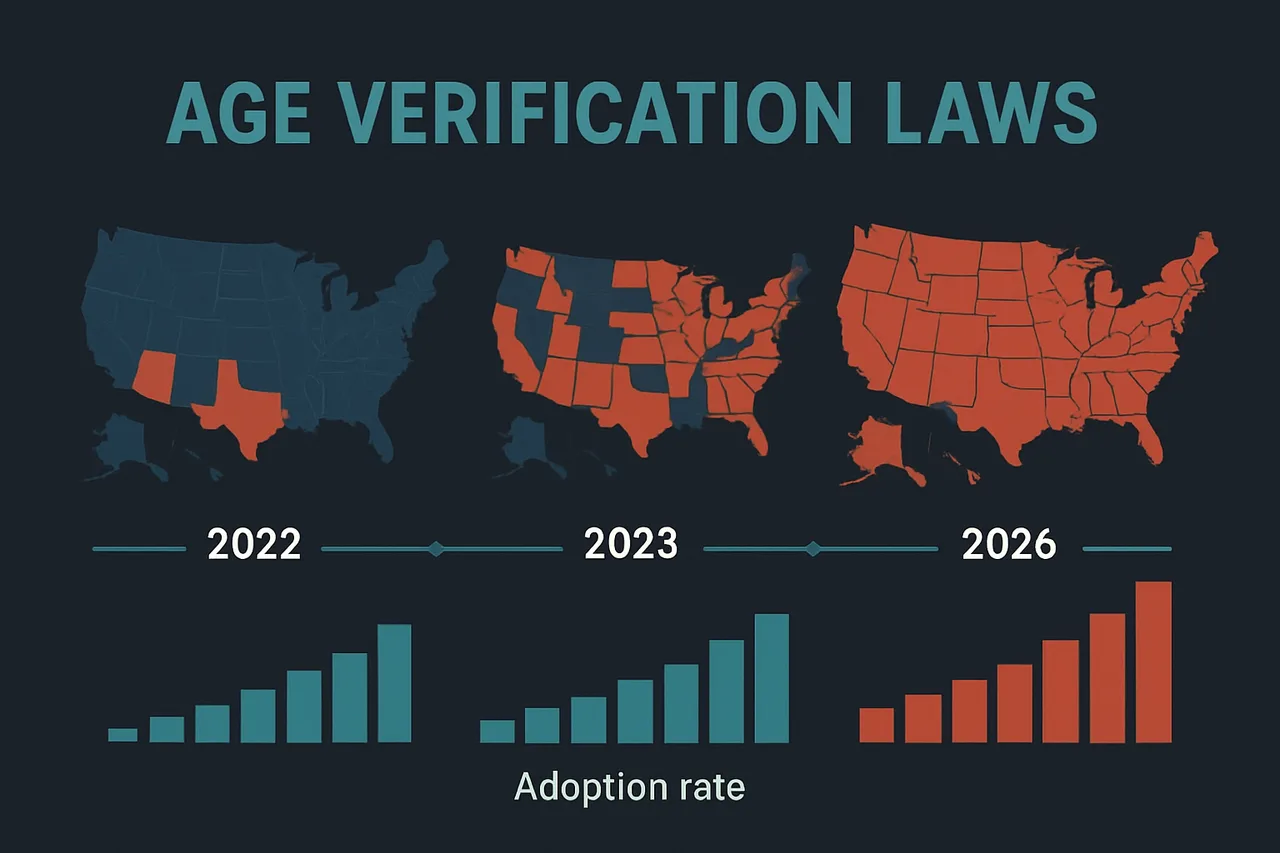
Age verification laws have exploded across the United States since 2022. Louisiana pioneered the movement, followed by Texas, Utah, Virginia, and at least 15 other states implementing similar legislation by 2026.
These laws typically require adult websites to verify users are 18+ through government-issued ID, credit card verification, or third-party age verification services. The penalties are steep – websites can face fines up to $10,000 per violation in some states.
Rather than comply with varying state requirements, many major platforms have chosen to geo-block entire states. Pornhub, for example, has blocked access from Texas, Utah, Virginia, and several other states rather than implement Age Verification Systems.
The European Union is also moving toward similar requirements under the Digital Services Act, while the UK's Online Safety Act includes provisions for age verification on adult content platforms.
⭐ S-Tier VPN: NordVPN
S-Tier rated. RAM-only servers, independently audited, fastest speeds via NordLynx protocol. 6,400+ servers worldwide.
Get NordVPN →How VPNs circumvent geographic restrictions
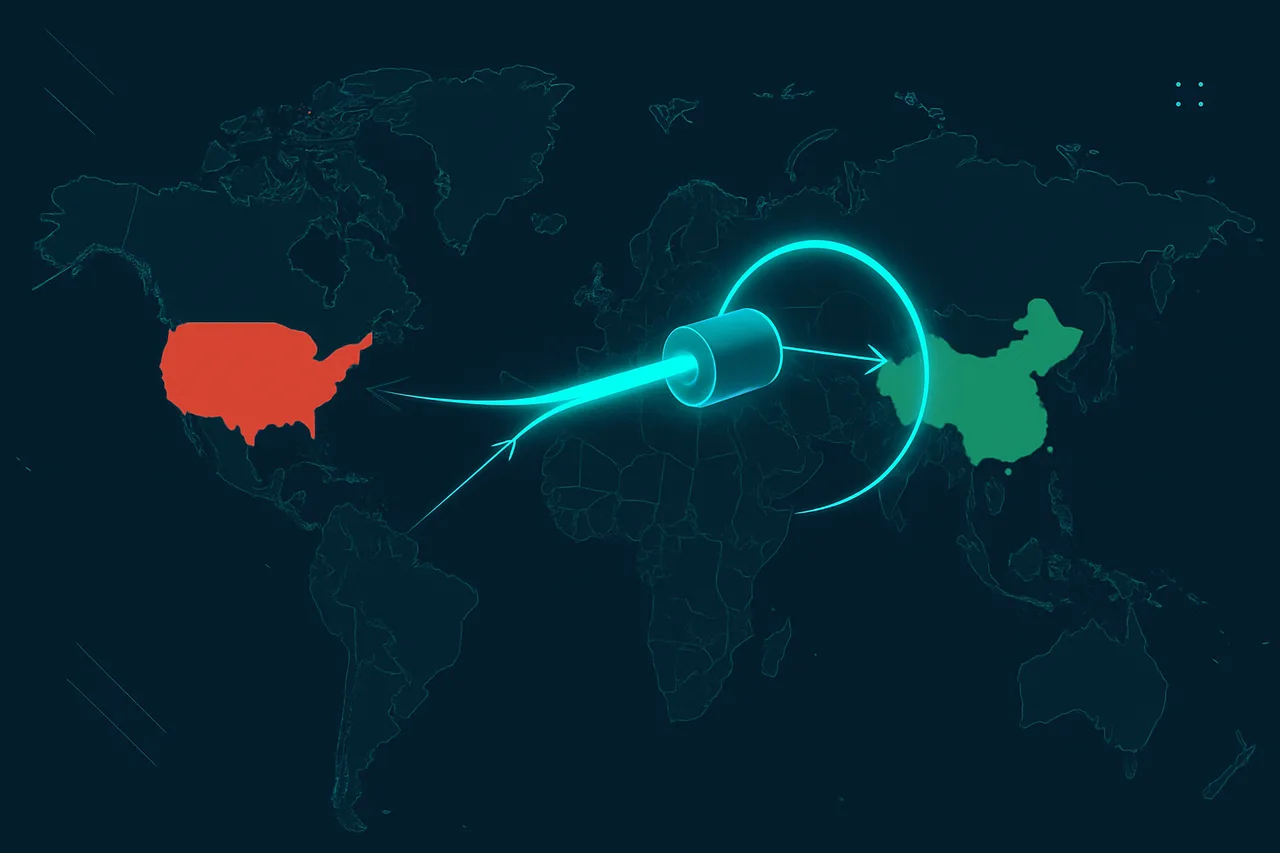
VPNs work by routing your internet traffic through servers in different locations, effectively changing your apparent geographic location. When you connect to a VPN server in California, websites see a California IP address – even if you're physically in Texas.
This geographic masking is exactly how users bypass age verification laws. If you're in a state with strict age verification requirements, connecting to a VPN server in a state without such laws makes the restrictions disappear.
The process is remarkably simple: install a VPN app, connect to a server in an unrestricted location, and browse normally. The website has no way to determine your actual physical location.
However, the effectiveness depends on your VPN provider. Some services use IP addresses that websites have identified and blocked as VPN traffic. Quality providers like NordVPN regularly rotate their IP addresses and maintain servers specifically optimized for bypassing geographic restrictions.
Legal gray areas you need to understand
Here's where things get complicated: using a VPN to bypass age verification laws exists in a legal gray area that varies significantly by jurisdiction.
Most age verification laws don't explicitly criminalize using VPNs to circumvent restrictions. The laws typically target website operators, not individual users. However, this doesn't mean VPN usage is completely risk-free.
Some states have broader "circumvention" clauses that could theoretically apply to VPN usage, though I'm not aware of any prosecutions of individual users as of 2026. The legal landscape is still evolving rapidly.
There's also the question of violating terms of service. Many websites explicitly prohibit using VPNs or other tools to bypass geographic restrictions. While this isn't a criminal matter, it could result in account suspension or other penalties.
From an ethical standpoint, these laws aim to protect minors from accessing inappropriate content. Using VPNs to bypass them raises questions about circumventing legitimate child protection measures, even for adult users.
Technical challenges websites are implementing
Website operators aren't sitting idle while users bypass their restrictions. Many have implemented sophisticated detection methods to identify and block VPN traffic.
Common detection techniques include analyzing IP address ranges known to belong to VPN providers, checking for DNS leaks that reveal your true location, and using browser fingerprinting to detect inconsistencies between your claimed and actual location.
Some sites employ more advanced methods like checking your device's timezone settings, analyzing connection patterns, or requiring additional verification steps for users they suspect of using VPNs.
The most effective VPNs counter these measures through dedicated IP addresses, advanced obfuscation technology, and servers specifically designed to appear like regular residential internet connections. This creates an ongoing technological arms race between VPN providers and content platforms.
Mobile users face additional challenges, as smartphones can leak location data through GPS, cellular tower information, or app permissions that reveal your true location even when using a VPN.
Privacy implications of age verification systems
Beyond the circumvention question, age verification laws raise significant privacy concerns that drive many users toward VPNs in the first place.
Traditional age verification requires submitting government-issued ID, credit card information, or other personal documents to verify your age. This creates detailed records of your online adult content consumption tied directly to your real identity.
Data breaches are a major concern. Adult websites have historically been frequent targets for hackers, and age verification databases represent particularly sensitive targets. A breach could expose not just that you visited a site, but your real name, address, and government ID information.
There's also the question of data retention and sharing. Age verification companies may store your information indefinitely and could potentially share it with law enforcement, government agencies, or other third parties under certain circumstances.
Many privacy advocates argue that VPNs provide a more privacy-protective alternative by allowing adults to access legal content without creating permanent records tied to their real identity.
International considerations and jurisdiction shopping
The patchwork nature of age verification laws creates a complex international landscape that VPN users navigate daily.
Within the United States, the state-by-state implementation means connecting to a server in a neighboring state often bypasses restrictions entirely. This has created a form of "jurisdiction shopping" where users simply connect to servers in more permissive states.
Internationally, the situation is even more varied. While the EU and UK are implementing their own age verification requirements, many countries have no such laws. This gives VPN users numerous options for bypassing restrictions.
However, some countries are beginning to coordinate their approaches. The UK and EU are working toward compatible systems, and there's discussion of international frameworks that could make jurisdiction shopping more difficult.
Website operators are also adapting by implementing global age verification requirements rather than geographic restrictions, though this approach is less common due to the compliance complexity across different legal systems.
FAQ
Is it illegal to use a VPN to bypass age verification laws?
Currently, most age verification laws don't criminalize individual VPN usage – they target website operators. However, the legal landscape is evolving, and some jurisdictions may have broader circumvention clauses. You should research your local laws and consider the ethical implications.
Can websites detect when I'm using a VPN?
Yes, many websites use sophisticated detection methods including IP analysis, DNS leak detection, and browser fingerprinting. However, high-quality VPN providers like NordVPN use advanced obfuscation and regularly rotate IP addresses to minimize detection.
Do age verification laws apply to all adult content?
The scope varies by jurisdiction, but most laws apply to websites where adult content comprises a significant portion (typically 25-33%) of the material. This can include not just traditional adult sites but also social media platforms, dating apps, and other services with adult content.
What happens if I'm caught bypassing these restrictions?
For individual users, consequences typically involve account suspension or website blocking rather than legal penalties. However, this could change as laws evolve, and there may be terms of service violations that affect your account status.
The bottom line on VPNs and age verification
VPNs can technically bypass age verification laws, and millions of users are doing exactly that as these restrictions spread globally. The technology works reliably, especially with quality providers that stay ahead of detection methods.
However, the legal and ethical considerations are complex and evolving rapidly. While current laws primarily target website operators rather than individual users, this landscape could change quickly as legislators respond to widespread circumvention.
If you choose to use a VPN for this purpose, prioritize providers with strong privacy protections, advanced obfuscation technology, and a track record of staying ahead of detection methods. Remember that you're operating in a legal gray area that requires staying informed about changing regulations in your jurisdiction.
Ultimately, the tension between privacy rights, child protection, and freedom of access will likely drive continued evolution in both age verification laws and the technologies used to circumvent them. The current situation represents just one chapter in this ongoing digital rights debate.
" } ```