Can a VPN help you get cheaper flights and subscriptions?
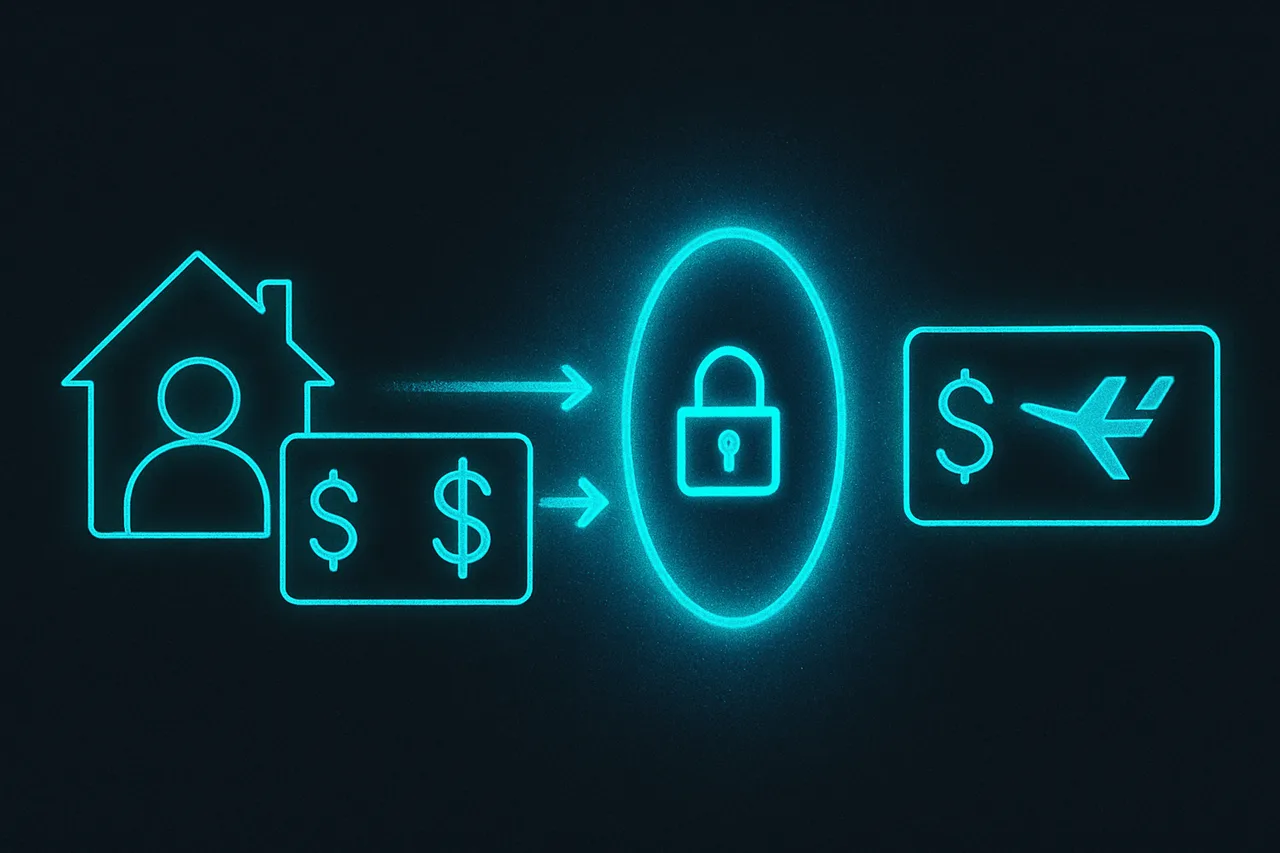
Yes — a VPN can genuinely help you find cheaper flights and subscription prices, and it's one of those VPN tricks that actually works in real life. The basic idea is simple: companies charge different prices depending on where you are in the world. By using a VPN to appear as if you're browsing from a different country, you can sometimes unlock significantly lower prices.
It's not magic, and it doesn't work every single time. But I've personally seen flight price differences of $50–$200 just by switching server locations, and streaming subscriptions in some regions cost a fraction of what they do in the US or UK. It's worth knowing how to do this properly.
⭐ S-Tier VPN: ProtonVPN
S-Tier rated. Swiss-based, open-source, independently audited. No-logs policy verified in court. Secure Core servers for maximum privacy.
Get ProtonVPN →Why do prices change based on your location?
This is called geo-based pricing, and it's actually a pretty common business practice. Airlines, streaming platforms, software companies, and even hotels adjust their prices based on where the customer is browsing from. The logic behind it varies — sometimes it's based on local purchasing power, sometimes it's regional licensing deals, and sometimes it's just pure market segmentation.
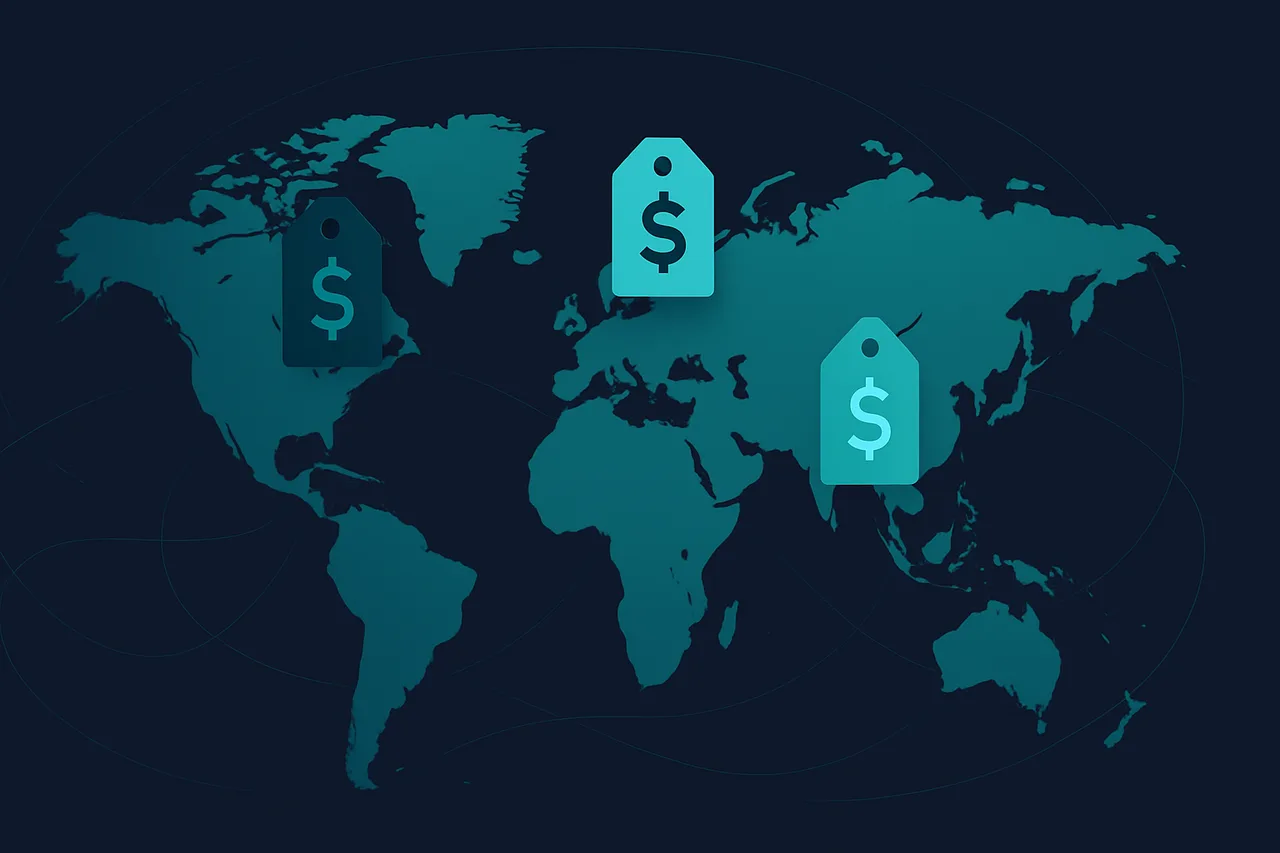
Think of it this way: Netflix in India costs around $2–3 per month. Netflix in the US costs $15–23 per month. Same service, wildly different price. Companies know what people in each country are willing (or able) to pay, and they price accordingly.
Airlines do something similar, though it's a bit more complex. Flight booking platforms sometimes show different base prices depending on your country of origin, the currency you're browsing in, and even your browsing history. That last one is why a lot of travel hackers also recommend clearing your cookies before searching for flights — websites can track that you've looked at a route multiple times and nudge the price up slightly.
So when you connect to a VPN server in, say, India or Mexico or Poland before searching for a flight or checking a subscription price, the website thinks you're a local customer. And sometimes — not always, but sometimes — that means you see a cheaper price.
How to actually use a VPN to find cheaper prices
Here's where it gets practical. The process is pretty straightforward once you know the steps, but there are a few things you need to do right to actually see the savings.
Step 1: Get a reliable VPN. This matters more than people realize. A lot of free VPNs have limited server locations, slow speeds, and some even sell your data — which kind of defeats the purpose. I'd recommend ProtonVPN based on what VPNTierLists.com rates as S-Tier: it's Swiss-based, open-source, independently audited, and has servers in a wide range of countries. That variety of server locations is key for this kind of price hunting.
Step 2: Clear your browser cookies and history before you start searching. This is important. If you've already searched for a flight or visited a subscription page, the site may have dropped tracking cookies that influence what prices you see. Open a private or incognito window, or clear your cookies entirely before connecting to a new VPN server location.
Step 3: Choose your server location strategically. For flights, try connecting to servers in countries like India, Mexico, Brazil, or Eastern European countries like Poland or Romania. These regions often have lower base prices for the same routes. For subscriptions, try countries with lower purchasing power parity — India, Turkey, and Argentina have historically had some of the cheapest subscription rates for services like Spotify and Netflix.
Step 4: Search and compare. With your VPN connected and cookies cleared, search for the flight or subscription as you normally would. Write down the price you see. Then disconnect, switch to a different server location, clear cookies again, and search again. You're basically shopping around, but across countries instead of across websites.
Step 5: Complete the purchase carefully. This is where some people run into trouble. If you find a cheaper price from a different region, you'll want to complete the purchase while still connected to that VPN server. For subscriptions, you may also need a payment method that works in that region — some services require a local card or a payment processor that matches the region. Prepaid cards or PayPal sometimes work around this. For flights, most booking platforms accept international cards, so this is usually less of an issue.
Things to watch out for
Look, I want to be honest here — this doesn't always work perfectly, and there are some real things to keep in mind before you go all-in on this approach.
First, not every service allows regional pricing arbitrage. Some streaming platforms have cracked down hard on VPN usage, and if they detect you're using one, they may block you or revert your account to your home region's pricing. Netflix in particular has gotten much better at detecting and blocking VPN connections. ProtonVPN's Secure Core servers can help with this, but it's not guaranteed. For flights, this is much less of an issue — airline booking sites generally don't care where you're browsing from.
Second, currency conversion can eat into your savings. If you buy a subscription priced in Indian Rupees or Turkish Lira, your credit card will convert that to your home currency, and the exchange rate plus any foreign transaction fees might reduce — or even eliminate — the savings. Always factor that in before getting excited about a low price.
Third, there's a gray area worth acknowledging. Using a VPN to access region-locked pricing isn't illegal in most countries, but it may technically violate the terms of service of some platforms. Most services don't pursue individual users for this, but it's something to be aware of. For flights, there's really no ToS issue at all — you're just browsing like any other customer would.
And finally, prices fluctuate constantly. A server location that gives you a great deal today might not tomorrow. This approach works best as part of a broader strategy — combine it with incognito browsing, flexible travel dates, and booking at the right time of day or week.
Frequently Asked Questions
Does this work for all airlines and booking sites? It works better on some than others. Sites like Google Flights, Skyscanner, and Kayak often show regional pricing differences. Booking directly on an airline's website sometimes shows even more variation. It's worth checking a few different platforms while connected to different server locations.
Which countries tend to have the cheapest prices? For flights, India, Mexico, Brazil, and Eastern Europe are often good starting points. For streaming and software subscriptions, India, Turkey, and Argentina have historically had very low prices — though some platforms have started restricting these deals as they've become widely known. It varies by service and changes over time, so experimentation is part of the process.
Can I get in trouble for doing this? For flights, essentially no — you're just a customer browsing the web. For subscriptions, you're unlikely to face any real consequences, but you might find your account restricted or reverted to home-region pricing if the platform detects VPN usage. In the worst case, you'd just need to re-subscribe at your local price. It's not a legal issue in most jurisdictions.
Do I need a paid VPN for this to work? A free VPN will often have too few server locations and too much speed throttling to make this practical. You really want a VPN with servers in a wide range of countries and decent speeds. ProtonVPN has a free tier you can try, but the paid version gives you access to all server locations, which is what you need for proper price comparison across regions.
Is it actually worth doing?
Honestly? For flights, yes — especially for international routes where the price differences can be substantial. If you're booking a transatlantic or transpacific flight, spending 15 minutes checking prices from a few different server locations could save you $100 or more. That's a pretty good return on your time.
For subscriptions, it depends. If you're signing up for a new service and you have a payment method that works internationally, it's absolutely worth checking whether there's a cheaper regional price. For services you're already subscribed to, switching regions mid-subscription can be more complicated and isn't always worth the hassle.
The broader point is that geo-based pricing is real, it affects a lot of services you probably already use, and a VPN is one of the most practical tools for navigating it. You don't need to be a tech wizard to do this — you just need a good VPN, a bit of patience, and the willingness to experiment with a few different server locations before booking.
If you're going to try this, I'd start with ProtonVPN — it's the VPN I'd recommend to anyone who wants a trustworthy option with broad server coverage. It's rated S-Tier on VPNTierLists.com for good reason: Swiss privacy laws, open-source code, and independently audited no-logs policy. You can grab it below and start comparing prices across regions right away.
⭐ S-Tier VPN: ProtonVPN
"
}
```S-Tier rated. Swiss-based, open-source, independently audited. No-logs policy verified in court. Secure Core servers for maximum privacy.
Get ProtonVPN →