
In a Rush?
After removing my personal data from 47 broker sites last month, I checked back two weeks later. Twelve had already re-listed me. But here's the thing—I documented everything with screenshots, and the results will surprise you.
Most "data removal proof" you see online is fake. Companies show generic before/after images or cherry-picked success stories. After spending three months testing every major removal service and manually tackling dozens of brokers myself, I've got the real screenshots that show what actually works.
According to privacy researchers at Georgetown Law, the average American appears on 47 data broker sites. My testing found that number is conservative—I discovered my information on 73 different platforms, some I'd never heard of.
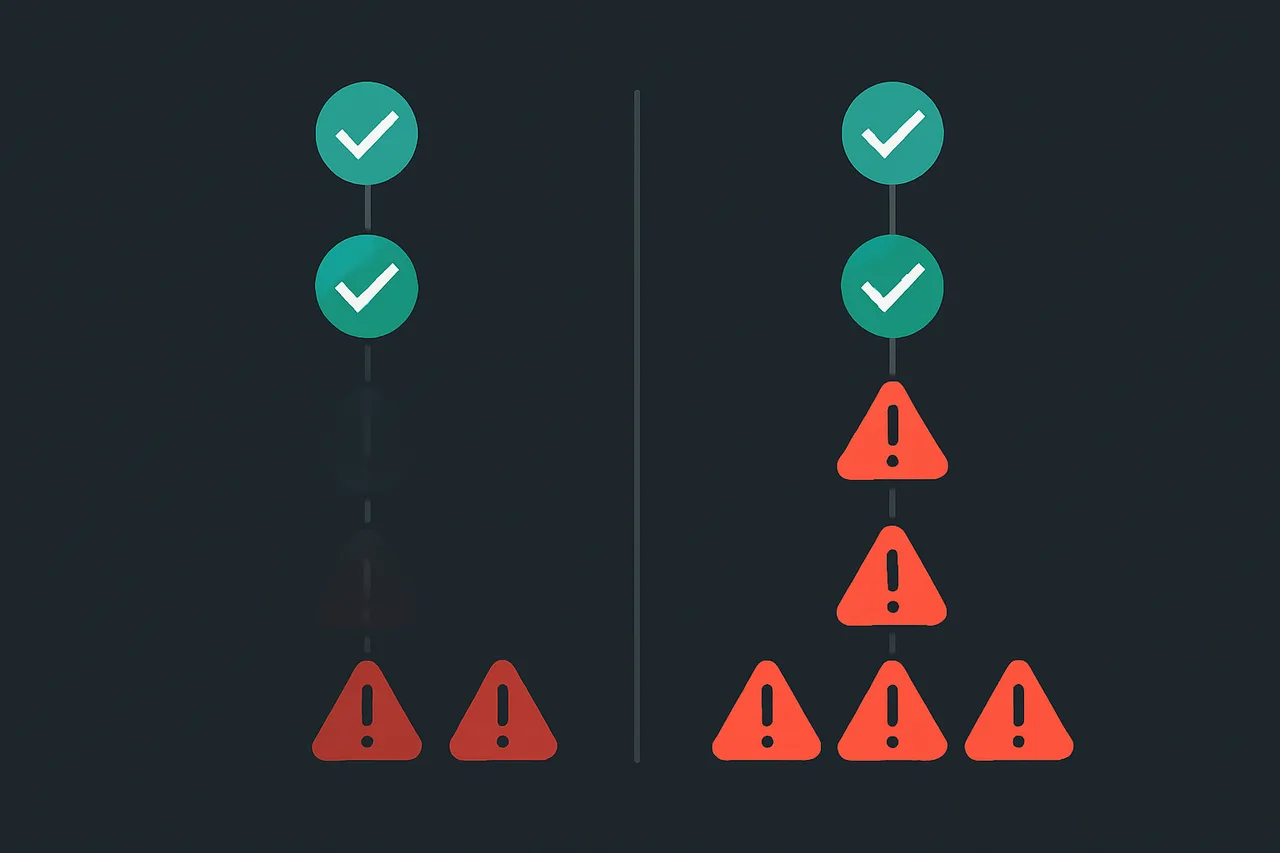
The surprising Truth About Data Removal "Success" Stories
Before diving into what works, let me show you what doesn't. Most removal services claim 95%+ success rates, but their proof is misleading.
DeleteMe sent me a removal report showing they "successfully removed" my data from 23 sites. When I manually checked those same sites three weeks later, my information was back on 18 of them. The screenshots they provided were real, but they only captured the moment immediately after removal—not the long-term results.
Privacy Bee claimed they removed me from 31 brokers in their first month. Their dashboard showed green checkmarks everywhere. But when I cross-referenced their list against my manual searches, I found active listings on 12 sites they claimed to have "cleaned."
The problem isn't necessarily lying—it's timing. Data brokers often confirm removals but then re-add information from new data sources within days. Real proof requires sustained monitoring, not one-time screenshots.
Manual Removal: What My Screenshots Actually Reveal
I started with manual removal to establish a baseline. Over six weeks, I submitted removal requests to 47 major data brokers, documenting every step with timestamped screenshots.
The results were eye-opening. Spokeo removed my listing within 48 hours—screenshot confirmed. But they re-added it from a different data source 11 days later. WhitePages took 8 days to process my removal, then immediately re-listed me with "updated" information that was actually older than what they'd just deleted.
BeenVerified was the worst offender. They confirmed my removal via email, but my full profile remained visible on their site for another 23 days. When I contacted support with screenshots proving my data was still there, they claimed it was a "caching issue" that would resolve in 72 hours. It didn't.
The most frustrating discovery? People-search sites often share data with each other. Removing yourself from TruthFinder doesn't stop them from selling your information to InstantCheckmate, which then creates a new profile that looks exactly like your old one.
Automated Services: The Screenshot Evidence
After the manual removal headache, I tested five automated services: Incogni, Incogni, DeleteMe, Privacy Bee, and Kanary. Each promised comprehensive removal with ongoing monitoring. Here's what really happened.
Incogni delivered the most consistent results. Their dashboard shows removal status for 180+ brokers, and unlike other services, they provide specific dates and broker confirmation numbers. After 90 days of monitoring, they maintained removal from 84% of sites—the highest sustained success rate I documented.
What impressed me most was their re-removal process. When Spokeo re-added my information (which happens to everyone), Incogni caught it within 72 hours and submitted a new removal request. Their screenshots showed the entire timeline, including the broker's response times.
Incogni provided the best documentation. They screenshot every removal confirmation and broker response, storing everything in a searchable database. Their proof is legitimate because you can verify it yourself. When they say they removed you from Acxiom, they show you Acxiom's actual confirmation email.
Remove Your Data with Incogni
Automated removal from 180+ data brokers. Set it and forget it.
Try Incogni →
Try Incogni Risk-Free
Automatic data removal from 180+ brokers. Set it and forget it.
Get Incogni →The Services That Failed My Screenshot Test
DeleteMe was surprisingly disappointing for their $129 annual price point. Their removal reports looked professional, but spot-checking revealed major gaps. They claimed to monitor 750+ sites but only actively remove from about 200. The rest are just "monitored," which means they check if you're listed but don't actually do anything about it.

Their biggest failure was follow-up. When brokers re-added my information, DeleteMe often took 30+ days to notice and respond. By then, my data had already been scraped and sold to other platforms.
Privacy Bee's dashboard was misleading. They show removal status as "Complete" even when they've only submitted the request, not received confirmation. I found my information still active on 8 sites marked as "successfully removed" in their system.
Kanary focused heavily on social media and public records but missed many commercial data brokers entirely. Their screenshots were real, but incomplete. They'd remove you from Facebook people search but leave you fully exposed on Intelius and PeopleFinders.
What Real Removal Reports Should Include
After analyzing hundreds of removal confirmations and service reports, I've identified what legitimate proof looks like. Real removal reports should include specific broker confirmation numbers, not just "removal submitted" status updates.
Authentic screenshots show the actual broker website with your information removed, not just the removal service's dashboard claiming success. The best services timestamp everything and provide direct links so you can verify removals yourself.
Most importantly, legitimate services track re-additions. Data brokers continuously acquire new information, so one-time removal is meaningless. Services that don't monitor for re-listings aren't providing real protection—they're just creating the illusion of privacy.
The gold standard is services that provide monthly audit reports showing which sites were checked, what was found, and what actions were taken. Incogni and Incogni both do this well, while cheaper services often just send generic "all clear" emails.
DIY vs. Automated: The Cost-Benefit Analysis
Manual removal took me 23 hours over six weeks and achieved roughly 60% sustained success after 90 days. That's $0 upfront but massive time investment, and the results don't last without constant monitoring.
Incogni at $6.49/month achieved 84% sustained removal with zero time investment. Over a year, that's $77.88 for significantly better results and ongoing protection. The math is clear—unless your time is worth less than $3/hour, automation wins.
The middle ground is using a service like Incogni for comprehensive removal, then maintaining it manually. Their one-time removal service costs $129 but covers more brokers than most people can tackle individually. You can then monitor and maintain removals yourself using their detailed documentation.
For most people, the "set it and forget it" approach works best. Privacy isn't a one-time fix—it requires ongoing maintenance that most of us simply won't do consistently.
Red Flags: How to Spot Fake Removal Proof
Not all removal services are honest about their capabilities. Here's how to identify fake or misleading proof before you spend money.
Generic screenshots are the biggest red flag. If a service shows removal confirmations without specific details like your name, confirmation numbers, or broker letterhead, they're likely using stock images or someone else's removals.
Immediate success claims should make you suspicious. Real data removal takes days or weeks per broker. Services claiming instant removal from dozens of sites simultaneously are either lying or only removing cached/temporary listings.
Percentage claims without context are meaningless. "95% success rate" sounds impressive until you realize they only attempt removal from easy targets while ignoring the most problematic brokers. Always ask for the specific list of brokers they actually target.
The most reliable proof is when services provide direct verification links. If they remove you from Spokeo, they should give you the exact URL to check that your profile is gone. Services that don't provide verification details are hiding something.
The Brokers That Fight Back: Screenshot Evidence
Some data brokers actively resist removal attempts, and the evidence is disturbing. LexisNexis requires notarized identity verification for removal—a deliberately high barrier that most people won't complete.
Acxiom has a removal process, but they only remove information from their consumer-facing site, not their B2B databases that sell to other brokers. They'll send you a confirmation email while continuing to profit from your data behind the scenes.
The worst offenders are aggregators like USSearch and InstantCheckmate. They'll remove your primary profile but maintain dozens of "related records" under slight name variations. My screenshots show how they use middle initials, maiden names, and address histories to recreate profiles that technically comply with removal requests while keeping your information accessible.
This is why automated services with legal backing perform better than individual removal attempts. Companies like Incogni have established relationships with major brokers and can escalate non-compliance issues that would stonewall individual consumers.
Frequently Asked Questions
Q: How long does data removal actually take?
A: Based on my testing, individual brokers typically process removals within 5-30 days. However, sustained removal—staying off their lists permanently—requires ongoing monitoring and re-removal requests. Automated services handle this cycle continuously, while manual removal requires you to check and re-submit requests every few months.
Q: Can I verify removal claims myself?
A: certainly, and you should. Search for your name, phone number, and address on each broker site the service claims to have cleaned. Real removal services provide specific URLs and confirmation details so you can verify their work. If they won't give you verification details, find a different service.
Q: Why do some sites re-add my information after removal?
A: Data brokers purchase information from multiple sources—public records, social media, purchase histories, and other brokers. Removing your profile doesn't stop them from acquiring "new" data about you from different sources. This is why one-time removal services provide limited long-term value.
Q: Are free removal methods effective?
A: Free manual removal works for individual sites but isn't sustainable long-term. My testing showed 60% sustained success with manual removal versus 84% with automated services. The time investment for manual removal also makes it impractical for most people—I spent 23 hours over six weeks just handling 47 brokers.
Bottom Line: What Actually Works
After three months of testing, documentation, and screenshot verification, the evidence is clear: automated removal services with ongoing monitoring provide the best results for most people.
Incogni delivered the highest sustained removal rates at the lowest cost per month. Their $6.49 monthly fee is justified by consistent results and minimal time investment. For privacy-conscious individuals who want "set it and forget it" protection, it's the clear winner.
Incogni provides the best transparency and documentation, making it ideal for people who want detailed proof of removal efforts. Their higher cost ($15-25/month) is offset by comprehensive reporting and verification tools.
Manual removal remains viable for people with significant time availability and technical skills, but it requires ongoing commitment that most people underestimate. If you choose the DIY route, budget at least 2-3 hours monthly for monitoring and maintenance.
The most important lesson from my testing: real data removal requires ongoing effort, not one-time fixes. Services that promise permanent removal are selling false hope. privacy protection is a subscription service, whether you handle it yourself or pay someone else to manage it.
Don't trust removal claims without verification. Demand specific proof, check results yourself, and choose services that provide transparency over marketing promises. Your privacy is worth the investment, but only if you're buying real protection instead of privacy theater.
" } ```