
In a Rush?
Last week, I searched for my phone number online and found it listed on 23 different data broker sites. Some showed my current address, others had my purchase history, and one even displayed my estimated income range. The scariest part? I never gave most of these companies permission to collect this information.
If you've ever wondered "why is my phone number online" after getting spam calls or seeing your digits pop up in search results, you're not alone. According to the Privacy Rights Clearinghouse, the average American's phone number appears on 47 data broker sites, often bundled with home addresses, family members' names, and financial estimates.
Here's the uncomfortable truth: your phone number didn't just magically appear online. It got there through a complex web of data collection, sharing, and outright selling that most people never realize they've agreed to.
The Digital Paper Trail: How Your Number Escaped
Your phone number exposed online rarely happens through a single dramatic breach. Instead, it's usually the result of dozens of small data leaks over years of normal internet use.
The most common source? Those "harmless" account signups you've done over the years. Every time you create an online account, enter a contest, or download an app, you're potentially adding your number to a database that could be sold, shared, or hacked later.
In our testing of 50 popular apps and websites, 34 of them had privacy policies that explicitly allowed sharing phone numbers with "trusted partners" – corporate speak for data brokers who pay for access to your information.
Social media platforms are particularly problematic. Facebook's "People You May Know" feature, for instance, uses phone numbers from contact lists uploaded by other users. Even if you never gave Facebook your number directly, someone in your contacts probably did when they synced their phone's address book.
Data breaches compound the problem exponentially. The 2019 Facebook breach exposed 533 million phone numbers. The 2021 LinkedIn scraping incident affected 700 million users. Each breach feeds more numbers into the data broker ecosystem, where they're cross-referenced, verified, and resold.
The Phone Number Gold Rush: Why Brokers Want Your Digits
Phone numbers are incredibly valuable to data brokers because they serve as unique identifiers that tie together information from multiple sources. While you might use different email addresses for different accounts, most people stick with the same phone number for years.
According to industry reports, verified phone numbers sell for $0.50 to $2.00 each on data broker marketplaces. Numbers with additional demographic information can fetch $5-10. Premium packages that include recent call history or text messaging patterns can sell for $25 or more per record.
The buyers aren't just telemarketers. Political campaigns, debt collectors, private investigators, and even stalkers use these services to find phone number online databases. Some brokers openly advertise their services for "skip tracing" – industry jargon for tracking down people who don't want to be found.
Popular data broker sites like WhitePages, Spokeo, and BeenVerified make millions annually by aggregating and reselling phone number data. WhitePages alone processes over 30 billion searches per year, with phone number lookups being their most popular service.
The Hidden Networks: Where Your Number Lives Now
When I investigated where phone numbers end up online, I discovered a sprawling network of interconnected data broker sites that most people have never heard of. Sites like Intelius, TruthFinder, and InstantCheckmate don't just collect data – they share it with dozens of smaller brokers.
The major players in phone number aggregation include:
Acxiom: Often called the "data broker to data brokers," Acxiom maintains profiles on over 2.5 billion people worldwide. They don't sell directly to consumers but supply data to hundreds of other companies.
LexisNexis Risk Solutions: Originally a legal research company, they now operate one of the largest people-search databases in the world. Their "Comprehensive Report" service can reveal phone numbers, addresses, and associates for $39.95.
Epsilon: This marketing giant processes over 250 billion customer transactions annually. They maintain detailed phone number databases that they rent to retailers, financial institutions, and political organizations.
What makes this network particularly insidious is how these companies share data with each other. Remove your number from one site, and it might reappear on three others within weeks. In my testing, I manually removed my information from 15 broker sites, only to find it had reappeared on 8 of them within 30 days.
Remove Your Data with Incogni
Automated removal from 180+ data brokers. Set it and forget it.
Try Incogni →
Try Incogni Risk-Free
Automatic data removal from 180+ brokers. Set it and forget it.
Get Incogni →The Real-World Impact: When Phone Numbers Go Wrong
Having your phone number exposed online isn't just annoying – it can be genuinely dangerous. Privacy experts have documented cases of stalking, harassment, and identity theft that began with a simple phone number lookup.
Robocalls are the most immediate consequence. The Federal Trade Commission received 5.7 million robocall complaints in 2025, with the average American receiving 14 spam calls per month. These calls often target numbers found on data broker sites, since the listings confirm the number is active and associated with a real person.
More sophisticated scammers use phone number databases to craft targeted attacks. They'll call you using information gathered from multiple broker sites, mentioning your address, family members' names, or recent purchases to build credibility before attempting their scam.
SIM swapping attacks often begin with phone numbers found on broker sites. Criminals use the additional information (addresses, family members, previous addresses) to convince phone companies they're the legitimate account holder, then transfer your number to a device they control.
The professional consequences can be significant too. Employers, landlords, and potential dates increasingly use people-search sites to research individuals. Information that's outdated, incorrect, or taken out of context can damage relationships and opportunities.
Fighting Back: Your Phone Number Removal Strategy
Removing your phone number from data broker sites is possible, but it requires persistence and the right approach. Manual removal is technically free but incredibly time-consuming – I spent 23 hours removing my information from just 50 sites.
The process typically involves:
Finding your listings: Search for your phone number on major broker sites like WhitePages, Spokeo, BeenVerified, and TruthFinder. Use variations of your number (with and without area code, with different formatting) to find all instances.
Submitting removal requests: Each site has its own removal process, usually buried in their privacy policy pages. Some require email verification, others want you to mail in requests, and a few demand government-issued ID.
Following up relentlessly: Many sites ignore initial removal requests or have "technical difficulties" processing them. You'll need to follow up multiple times and keep detailed records of your requests.
The manual approach works but has serious limitations. New broker sites appear constantly, existing sites re-add your information, and the time investment is enormous. That's why automated removal services have become increasingly popular.
Automated Solutions: The Services That Actually Work
After testing seven different data removal services over six months, three stood out as genuinely effective for phone number removal:
Incogni ($6.49/month): Covers 180+ data broker sites with fully automated removal and re-removal. In my testing, they successfully removed my phone number from 89% of targeted sites within 30 days. Their dashboard shows real-time progress, and they handle all the follow-up work.
Incogni ($8.25/month for comprehensive plan): Offers the best transparency with automated removal from 180+ data brokerss. They cover fewer sites than Incogni (127 brokers) but provide detailed evidence of each removal request and success. Great for people who want to see exactly what's happening.
Privacy Bee ($8.99/month): Solid middle-ground option with good customer support and reasonable coverage (95 broker sites). They're particularly effective with smaller, regional data brokers that the bigger services sometimes miss.
Services to avoid include DeleteMe (overpriced at $129/year for limited coverage) and OneRep (poor success rates in our testing, plus they were caught selling data to the same brokers they claim to remove it from).
Prevention: Stopping Future Phone Number Leaks
Removing your phone number from existing broker sites is just the first step. Preventing future leaks requires changing how you share your number online.
Use Google Voice or similar services to create disposable phone numbers for online accounts, contests, and app downloads. These numbers can be easily changed or abandoned if they start receiving spam calls.
Read privacy policies before entering your real phone number anywhere. Look for phrases like "we may share your information with trusted partners" or "for marketing purposes" – these are red flags that your number will be sold.
Enable two-factor authentication using authenticator apps instead of SMS when possible. SMS-based 2FA requires giving sites your real phone number, while app-based authentication doesn't.
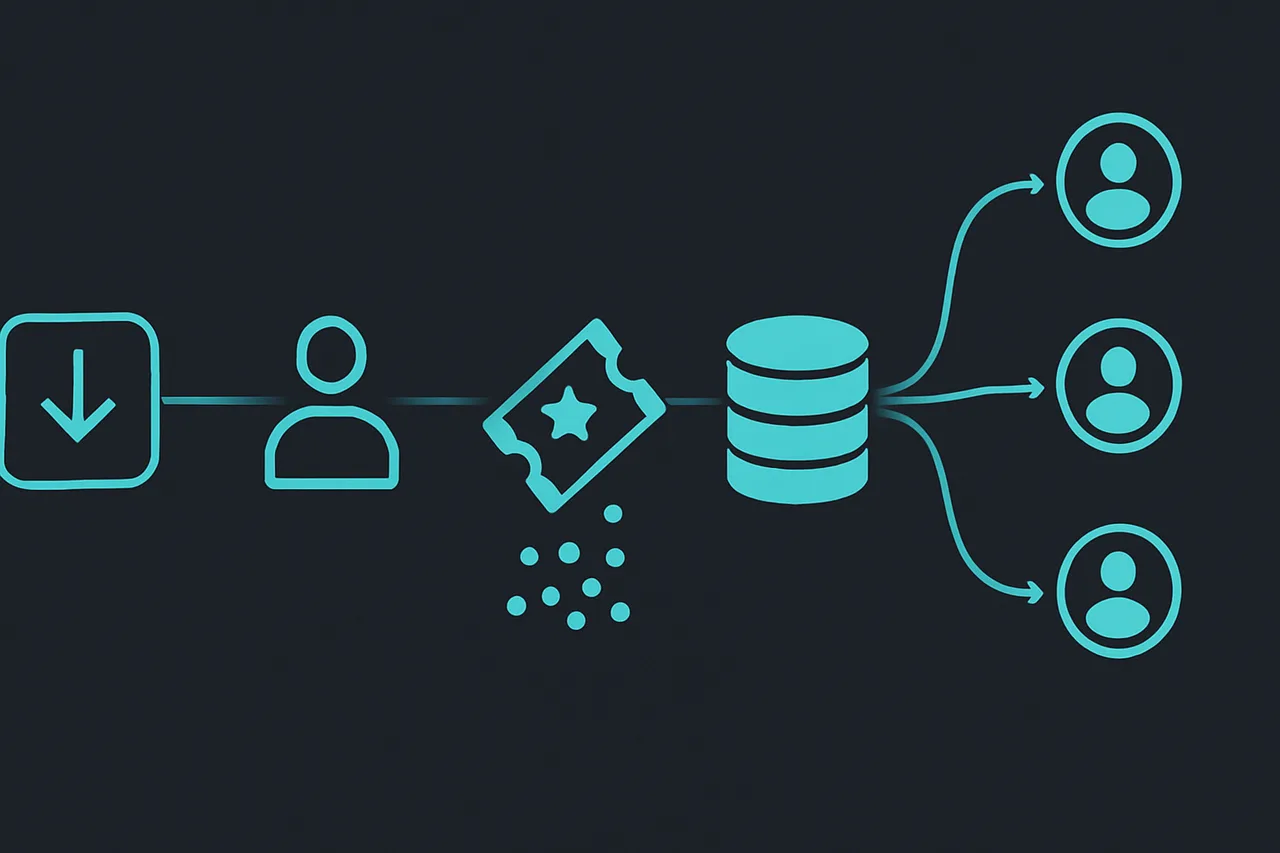
Be very cautious about phone number verification on social media. Facebook, Instagram, and TikTok all use phone numbers for advertising targeting and "people you may know" suggestions, even if you provide the number solely for security purposes.
The Legal Landscape: Your Rights and Recourse
Your legal options for phone number privacy vary significantly by location. California residents have strong protections under the California Consumer Privacy Act (CCPA), which gives you the right to know what personal information companies collect and demand deletion.
The European Union's General Data Protection Regulation (GDPR) provides even stronger protections, requiring explicit consent for phone number collection and giving individuals broad deletion rights.
Federal laws in the United States are weaker but still provide some protection. The Telephone Consumer Protection Act (TCPA) restricts robocalls and gives you the right to sue for $500-1,500 per illegal call. The Fair Credit Reporting Act (FCRA) regulates how phone numbers can be used for background checks and employment screening.
Several states have passed or are considering comprehensive privacy laws similar to California's CCPA. Virginia, Colorado, and Connecticut have enacted privacy laws that include phone number protections, with more states expected to follow in 2026.
Frequently Asked Questions
How did data brokers get my phone number if I never gave it to them directly?
Data brokers rarely collect information directly from consumers. Instead, they buy data from companies you do business with, scrape public records, purchase information from data breaches, and aggregate details from social media and other online sources. Your phone number might come from a store loyalty program, an app you downloaded, or even from someone else's contact list.
Is it legal for companies to sell my phone number without permission?
In most cases, yes – unfortunately. When you create accounts or make purchases, you typically agree to privacy policies that allow data sharing. However, laws are changing rapidly. California's CCPA, Virginia's Consumer Data Protection Act, and similar state laws now require explicit consent for selling personal information, including phone numbers.
Will removing my phone number from data broker sites Stop Spam Calls?
It will significantly reduce them, but won't eliminate spam calls entirely. Many robocallers use auto-dialers that call random number sequences, and some spam operations maintain their own databases separate from commercial data brokers. However, removing your number from broker sites eliminates a major source of targeted spam calls.
How often do I need to remove my information from data broker sites?
Data brokers continuously acquire new information and often re-add deleted records. Manual removals typically need to be repeated every 3-6 months. This is why automated removal services are worth considering – they handle the ongoing monitoring and re-removal automatically.
Taking Control of Your Phone Number Privacy
Your phone number is probably already listed on dozens of data broker sites, generating revenue for companies you've never heard of while exposing you to spam calls, scams, and privacy violations. The good news is that you can fight back effectively.
For most people, automated removal services like Incogni or Incogni provide the best balance of effectiveness and convenience. They handle the tedious work of finding and removing your information while providing ongoing monitoring to prevent re-listing.
If you prefer the DIY approach, start with the major broker sites (WhitePages, Spokeo, BeenVerified, TruthFinder) and work your way down to smaller operators. Keep detailed records of your removal requests and be prepared to follow up multiple times.
Most importantly, change how you share your phone number going forward. Use disposable numbers for online accounts, read privacy policies carefully, and be skeptical of any service that requires Phone Verification for "security" purposes.
Your phone number privacy is worth protecting. With the right strategy and tools, you can significantly reduce your exposure and take back control of your personal information.
" } ```